
Stress has become such a common part of modern life that many people barely notice how much they’re carrying until it begins affecting their bodies. Whether it’s deadlines at work, caring for family, commuting across the city, or constantly staying connected through technology, the demands of daily life can gradually build physical and emotional tension.
For many San Francisco residents, life moves fast. The city’s culture encourages ambition, productivity, and staying busy, but finding time to slow down is just as important as staying active. That’s one reason massage therapy has become an essential part of many people’s wellness routines.
At Massage Grotto SF, we work with professionals, parents, healthcare workers, entrepreneurs, creatives, and active adults who recognize that taking care of themselves isn’t a luxury—it’s an investment in their overall well-being.
If you’ve ever wondered how massage can help with everyday stress, here’s what you should know.
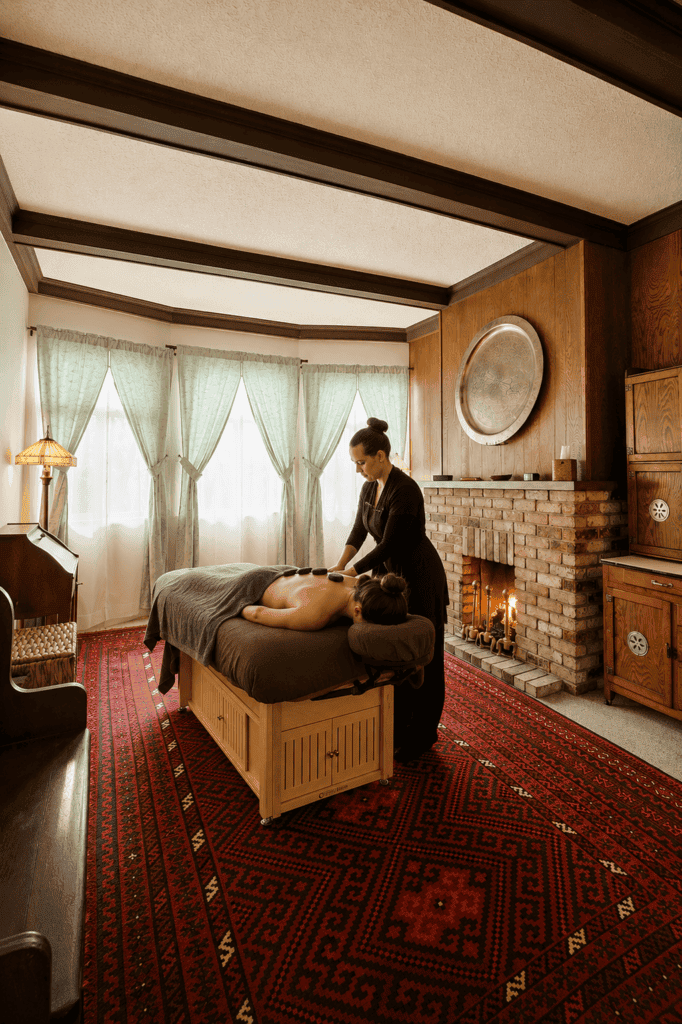
How Stress Affects the Body
Stress doesn’t just happen in your mind—it often shows up physically.
You may notice yourself clenching your jaw during meetings, tightening your shoulders while answering emails, or holding tension in your neck without realizing it. Over time, these habits can leave muscles feeling tight and fatigued.
Some common physical signs of everyday stress include:
- Tight shoulders
- Neck stiffness
- Upper back tension
- Head and jaw tightness
- Lower back discomfort
- General muscle fatigue
- Feeling physically “worn out”
Even when stress isn’t causing pain, it can make your body feel like it’s constantly working overtime.
Massage provides dedicated time to interrupt that pattern.
Massage Encourages Relaxation
One of the greatest benefits of massage is that it creates an opportunity to simply slow down.
For 60, 90, or 120 minutes, there are no meetings to attend, no notifications demanding your attention, and no pressure to multitask.
Instead, your focus shifts to breathing, relaxing, and allowing your muscles to release accumulated tension.
Many clients describe leaving a massage feeling:
- Calmer
- More refreshed
- Less physically tense
- Better connected to their bodies
- Ready to return to daily life with a renewed sense of balance
While massage isn’t a treatment for anxiety or other medical conditions, many people find that regular sessions become a valuable part of their self-care routine.
Why San Francisco Residents Experience Unique Sources of Stress
Living in San Francisco comes with incredible opportunities, but it also presents unique challenges.
Many residents juggle demanding careers in technology, finance, healthcare, education, law, hospitality, and other fast-paced industries. Long workdays, hybrid schedules, crowded commutes, and rising living costs can contribute to feeling mentally and physically drained.
Even people who work remotely often spend hours sitting in front of screens with little movement throughout the day.
Outside of work, many San Franciscans stay active by running, cycling, hiking, practicing yoga, or exploring neighborhoods throughout the city. While these activities support overall wellness, they also place ongoing demands on muscles and joints.
Massage can complement these lifestyles by encouraging relaxation and helping clients reconnect with how their bodies feel.
The Mind-Body Connection
Stress and muscle tension often reinforce one another.
When you’re under pressure, muscles naturally tighten. As those muscles remain tense, they can contribute to feeling physically uncomfortable, making it even harder to relax.
Massage helps create awareness of these patterns.
Many clients are surprised to realize how much tension they’ve been carrying in their shoulders, neck, or back until those muscles begin to relax during a session.
Simply becoming more aware of how your body responds to stress can help you make healthier choices throughout the rest of your week.
Making Massage Part of Your Wellness Routine
Many people think of massage as something they book only after an especially stressful week.
Instead, consider massage as preventative self-care.
Scheduling regular sessions—whether monthly or more frequently depending on your lifestyle—can help create intentional time to recharge before tension builds up.
At Massage Grotto SF, every massage is personalized to your goals. Some clients prefer a relaxing Swedish massage, while others choose deep tissue work to address areas of persistent tightness. Many sessions combine techniques to create the experience that’s right for each individual.
No matter your preference, consistency often provides more lasting benefits than waiting until stress feels overwhelming.
Small Habits That Complement Massage
Massage is just one part of maintaining overall wellness.
Between appointments, simple habits can support how your body feels:
- Stand up and stretch during long workdays.
- Stay hydrated throughout the day.
- Take short walks whenever possible.
- Practice mindful breathing during stressful moments.
- Prioritize quality sleep.
- Make time for activities you genuinely enjoy.
These habits work together with massage to help you feel more balanced and resilient.
Experience Personalized Massage in San Francisco
At Massage Grotto SF, we understand that every client experiences stress differently.
That’s why every session begins with a conversation about your goals, comfort level, and areas you’d like to focus on.
Whether you’re looking to unwind after a demanding week, create a healthier self-care routine, or simply enjoy uninterrupted time to relax, our experienced therapists are here to help.
With two convenient San Francisco locations, it’s easy to make massage part of your regular wellness routine.
Taking care of yourself isn’t selfish—it’s one of the best investments you can make in your overall well-being.
Frequently Asked Questions
Can massage help with everyday stress?
Many clients find that massage promotes relaxation and helps ease muscle tension commonly associated with everyday stress.
Which massage is best for relaxation?
Swedish massage is a popular choice for relaxation, while deep tissue massage may be better suited for clients seeking focused work on areas of persistent muscle tension.
How often should I schedule a massage?
Many clients enjoy monthly appointments, while others schedule every two to four weeks depending on their lifestyle and wellness goals.
Is massage only for people with pain?
Not at all. Many people receive massage simply because they value relaxation, stress management, and taking time for self-care.