
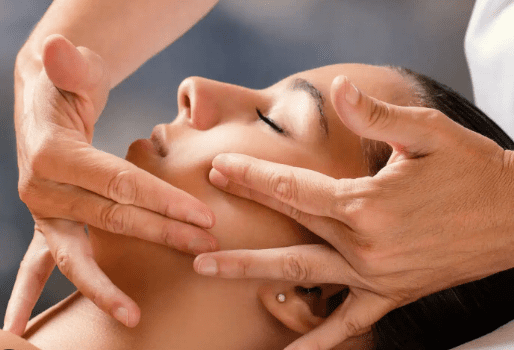
Temporomandibular Joint (TMJ) disorder affects millions worldwide, causing discomfort, pain, and limited jaw movement. While various treatments exist, one often overlooked yet effective approach is TMJ massage. This specialized massage technique targets the muscles associated with jaw movement, offering relief and promoting overall well-being.
Understanding TMJ Disorder:
The temporomandibular joint connects your jawbone to your skull, facilitating essential movements such as talking, chewing, and yawning. When this joint becomes misaligned or experiences excessive tension, it can lead to TMJ disorder. Common symptoms include jaw pain, headaches, earaches, and difficulty in opening or closing the mouth.
The Role of TMJ Massage:
TMJ massage is a therapeutic approach designed to alleviate tension and pain associated with TMJ disorder. Trained massage therapists use various techniques to target the muscles around the jaw, face, and neck, promoting relaxation and restoring proper function to the temporomandibular joint.
Benefits of TMJ Massage:
Pain Relief:
TMJ massage focuses on relieving muscle tension, which can significantly reduce pain associated with TMJ disorder. By releasing knots and tightness in the jaw muscles, individuals often experience immediate relief.
Improved Jaw Mobility:
Restricted jaw movement is a common issue with TMJ disorder. Massage helps improve blood circulation, reduces inflammation, and enhances flexibility, leading to improved jaw mobility over time.
Stress Reduction:
Stress is a major contributor to TMJ disorder. TMJ massage not only targets the physical symptoms but also addresses stress-related tension. Relaxation techniques employed during the massage contribute to an overall sense of well-being.
Prevention of Teeth Grinding:
Many individuals with TMJ disorder also grind their teeth, exacerbating the condition. TMJ massage can help relax the muscles involved in clenching and grinding, reducing the likelihood of further damage to the teeth and jaw.
Headache Relief:
TMJ disorder often manifests as headaches, especially tension headaches. By addressing the root cause of muscle tension in the jaw and neck, TMJ massage can provide relief from chronic headaches.
Enhanced Quality of Sleep:
TMJ disorder can disrupt sleep patterns due to discomfort and pain. Regular TMJ massage sessions can contribute to better sleep quality by alleviating tension and promoting relaxation.
Non-Invasive Alternative:
Unlike some treatments for TMJ disorder, such as surgery or dental appliances, TMJ massage is non-invasive. It offers a holistic approach that considers the interconnectedness of muscles and aims to restore balance naturally.
TMJ massage is a valuable and often underestimated solution for individuals struggling with TMJ disorder. By addressing both the physical and emotional aspects of this condition, massage therapy provides a holistic approach to alleviate pain, improve jaw mobility, and enhance overall well-being. If you’re experiencing symptoms of TMJ disorder, consider consulting with a qualified massage therapist to explore the benefits of TMJ massage and take a positive step toward unlocking relief.