
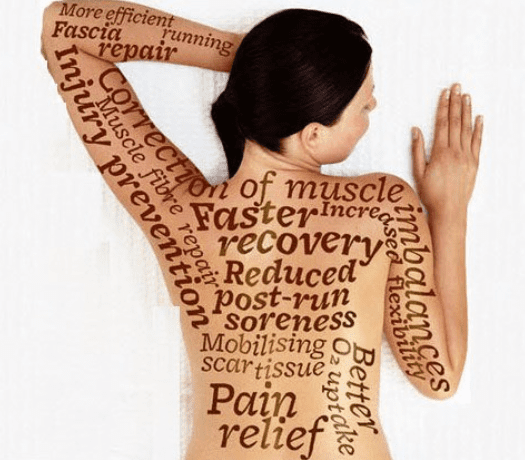
When it comes to relaxation and rejuvenation, massage therapy stands out as a highly effective and holistic approach. However, with so many types of massages available, choosing the right one for your specific needs can be overwhelming. This guide delves into the nuances of various massage therapies – Swedish, Deep Tissue, Sports, Reflexology, and Thai Massage – to help you make an informed decision.
1. Swedish Massage
What It Involves: Swedish massage is often considered the classic, go-to therapy. It involves long, flowing strokes, kneading, and circular movements on the superficial layers of muscles using massage oil or lotion.
Benefits: This type of massage is exceptionally beneficial for increasing oxygen levels in the blood, decreasing muscle toxins, improving circulation, and flexibility while easing tension.
Best Suited For: It’s ideal for beginners, those with sensitive skin, or individuals looking for relaxation and stress relief.
2. Deep Tissue Massage
What It Involves: As the name suggests, deep tissue massage targets the deeper layers of muscle and connective tissues. It uses slow, deliberate strokes that focus pressure on areas of tension and pain.
Benefits: It’s great for relieving chronic muscle pain, reducing inflammation, and helping with muscle recovery after injuries.
Best Suited For: This massage is best suited for individuals dealing with chronic pain, athletes, or those experiencing consistent muscle discomfort.
3. Sports Massage
What It Involves: Sports massage is tailored specifically for athletes. It combines various techniques to help prevent injuries, prepare the body for athletic activity, maintain it in optimal condition, and help athletes recover from workouts and injuries.
Benefits: It enhances performance, increases flexibility, and assists in recovery by reducing muscle tension, promoting flexibility, and preventing injuries.
Best Suited For: This is ideal for professional athletes or those who are actively engaged in physical activities and sports.
4. Reflexology
What It Involves: Reflexology involves applying pressure to specific points on the feet, hands, or ears. These points correspond to different body organs and systems, and pressing them has beneficial effects on the person’s health.
Benefits: It’s known for promoting relaxation, improving circulation, reducing stress, pain relief, and supporting overall holistic health.
Best Suited For: Reflexology is suitable for those who are less comfortable with full-body massages or those looking for something less physically intense.
5. Thai Massage
What It Involves: Thai massage is more energizing and rigorous than most classic forms of massage. It’s like yoga without doing the work, as the therapist moves and stretches you in a sequence of postures.
Benefits: It improves range of motion, increases flexibility, relieves muscle and joint tension, and balances the body’s energy systems.
Best Suited For: It’s a good option for those who want to feel more active and rejuvenated rather than relaxed.
Each type of massage offers unique benefits and caters to different needs and preferences. Understanding these differences is key to selecting the most suitable therapy for your individual wellness journey. Whether you’re seeking deep relaxation, pain relief, or specific health benefits, there’s a massage type that aligns perfectly with your body’s needs. Always consider your personal health conditions and consult with a professional therapist to get the most out of your massage therapy experience.