
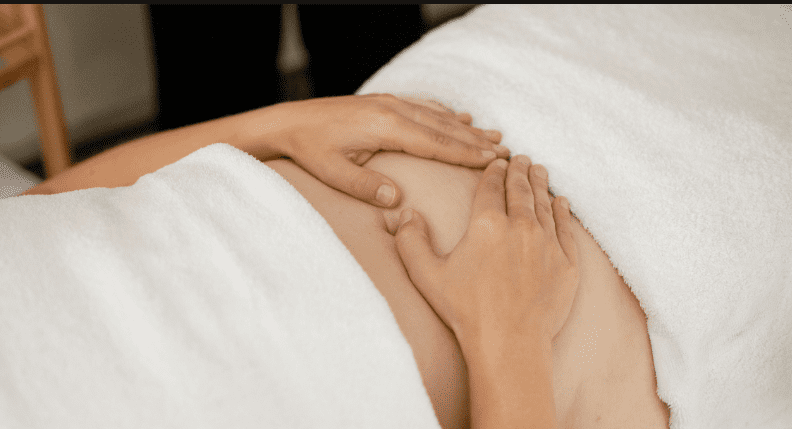
As a new mother, embracing the joy and challenges of motherhood is a unique journey. Among the myriad ways to care for yourself during this special time, postnatal massages stand out as a soothing and beneficial practice. This 500-word guide delves into the world of postnatal massages, exploring their benefits, types, and important considerations for new moms.
Understanding Postnatal Massages
Postnatal massage is a therapeutic body massage given to a new mother typically within the first weeks following childbirth. This age-old practice, rooted in various cultural traditions, aims to support the mother’s physical and emotional recovery after delivery.
Benefits of Postnatal Massages
- Physical Healing and Relaxation: The gentle pressure applied during a massage helps relax muscle tension, alleviate sore spots, and improve blood circulation. This is especially beneficial in easing discomforts from childbirth or the strain from activities like breastfeeding.
- Emotional Well-Being: Postnatal massages offer a sense of overall well-being. The soothing effect of touch therapy can significantly reduce stress and promote relaxation, which is particularly valuable in combating postpartum blues or anxiety.
- Hormonal Balance: Massaging helps regulate hormones by reducing cortisol (stress hormone) levels and increasing serotonin and dopamine (mood-boosting hormones) levels, aiding in the emotional balance of new mothers.
- Improved Lactation: Some studies suggest that regular postnatal massages can enhance milk production due to the relaxation and release of oxytocin, the hormone that triggers milk production.
Types of Postnatal Massages
- Swedish Massage: Known for its gentle strokes, this massage is ideal for relaxation and improving blood circulation.
- Deep Tissue Massage: Targets deeper layers of muscles and is beneficial for mothers experiencing chronic muscle tension.
- Aromatherapy Massage: Utilizes essential oils to enhance relaxation and well-being.
- Traditional Practices: Many cultures have specific postnatal massages, like the Indian ‘Ayurvedic’ massage or the Malaysian ‘Bengkung’ binding technique, each with unique approaches and benefits.
Important Considerations
- Timing: It’s generally advised to wait until at least six weeks postpartum for a massage, especially after a C-section, to allow the body time to heal. However, some gentle techniques can be applied earlier with professional guidance.
- Professional Expertise: Choose a therapist skilled in postnatal massage. They should be aware of how to cater to the specific needs and limitations of a postpartum body.
- Comfort and Safety: Ensure the massage is gentle, especially around the abdomen, and avoid any pressure that feels uncomfortable. Inform the therapist of any complications or concerns before starting.
- Breastfeeding Considerations: If you’re breastfeeding, schedule the massage between feeding times to avoid discomfort.
Postnatal massages are more than just a luxury; they are a beneficial aspect of postpartum recovery. They offer physical and emotional relief, aiding in the mother’s overall well-being. As with any postpartum practice, it’s essential to consult with healthcare providers and choose qualified therapists to ensure a safe and soothing experience. Embracing postnatal massages can be a beautiful way to nurture yourself as you navigate the beautiful, albeit challenging, journey of motherhood.