
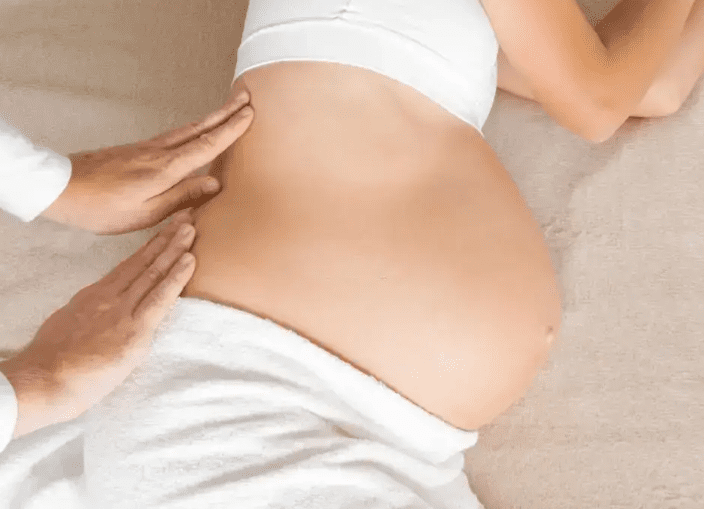
Pregnancy is a journey filled with unique challenges and changes, both physically and emotionally. Amidst the excitement of expecting a new life, mothers-to-be often experience discomforts like back pain, leg swelling, and emotional stress. Prenatal massage, a specialized form of therapy tailored for pregnant women, offers a safe and effective way to alleviate these discomforts and enhance overall well-being.
1. Understanding Prenatal Massage
Prenatal massage is adapted from standard massage techniques to address the specific needs of pregnant women. Trained therapists modify traditional massage methods, such as Swedish massage, to ensure the safety and comfort of both the mother and the baby. The techniques focus on relieving tension, improving circulation, and promoting a sense of relaxation.
2. Physical Benefits
One of the most significant advantages of prenatal massage is
the relief of physical discomfort. During pregnancy, a woman’s body undergoes dramatic changes, often leading to ailments such as backaches, stiff neck, leg cramps, headaches, and swelling. Massage therapy helps alleviate these symptoms by improving blood circulation, reducing muscle tension, and enhancing joint mobility. This improved circulation can also help reduce swelling by stimulating soft tissues and reducing the collection of fluids in swollen joints.
3. Emotional and Mental Well-being
Pregnancy can be a rollercoaster of emotions due to hormonal changes and anticipation of life changes. Prenatal massage offers emotional benefits by reducing stress and promoting relaxation. This relaxation response reduces the levels of stress hormones in the body, which can improve mood and promote better sleep. Additionally, the nurturing touch of a massage can provide a sense of comfort and care, which is invaluable during this transformative phase of life.
4. Hormonal Balance and Reduced Nerve Pain
Studies have shown that prenatal massage can have hormonal benefits. Regular massage sessions have been linked to reduced cortisol (a stress hormone) levels and increased levels of serotonin and dopamine, which are mood-enhancing hormones. This hormonal adjustment can lead to fewer complications during birth and fewer instances of newborn complications. Moreover, massage can alleviate nerve pain, which is common during pregnancy as the uterus rests on muscles of the pelvic floor and lower back, causing tension and pinched nerves.
5. Better Sleep and Improved Labor Outcomes
Many pregnant women struggle with sleep disturbances. Prenatal massage can improve sleep quality by promoting relaxation and easing discomfort. Furthermore, regular massage sessions during pregnancy can lead to a smoother labor process with reduced labor pain and shorter delivery times, as suggested by some research.
6. Precautions and Considerations
While prenatal massage is generally safe, it’s crucial to consult a healthcare provider before starting any new therapy during pregnancy. It’s also important to seek a massage therapist who is specifically trained in prenatal massage, as there are certain pressure points to avoid during pregnancy.
In conclusion, prenatal massage is an excellent way for expectant mothers to alleviate discomfort, improve emotional well-being, and prepare for the physical demands of childbirth. It’s a nurturing way to connect with the body and the growing baby, offering a holistic approach to the challenges of pregnancy. By incorporating prenatal massage into regular prenatal care, mothers-to-be can enhance their overall pregnancy experience, paving the way for a healthier, happier journey into motherhood.