
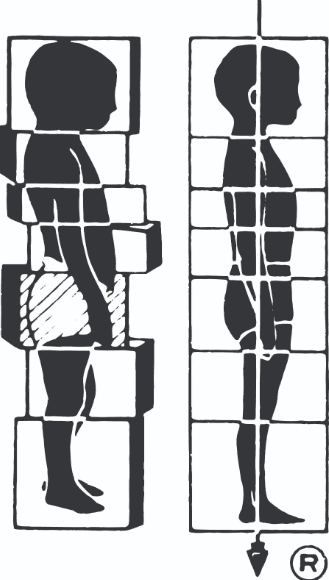
In the bustling landscape of alternative therapies, Rolfing stands out as a unique and profound technique for achieving structural integration and holistic wellness. Developed by Dr. Ida P. Rolf in the mid-20th century, Rolfing, or Structural Integration, delves deep into the connective tissues of the body to realign and balance the body’s structure, thus improving posture, reducing stress, and enhancing physical and emotional wellbeing.
Understanding Rolfing
At its core, Rolfing is a form of hands-on manipulation and movement education. Unlike massage, which primarily focuses on muscle relaxation, Rolfing targets the fascia, the connective tissue that envelops muscles and organs. Over time, due to factors like injury, stress, or poor habits, the fascia can become stiff and misaligned, leading to pain and reduced mobility. Rolfers, through specific techniques, work to lengthen and reorganize these fascial layers, aiming to balance the body in gravity.
The Rolfing Process
Typically, Rolfing is structured as a series of ten sessions, each focusing on different body parts and objectives. The first few sessions are designed to free up the superficial layers of the body, followed by sessions that address deeper tissues, and concluding with integrative sessions that align the body as a whole. Throughout this process, Rolfers also educate their clients on movement and posture, empowering them to maintain their newfound alignment.
Who Can Benefit?
Rolfing is beneficial for a wide range of people. Athletes often turn to Rolfing to enhance performance and recover from injuries. Others seek it out for relief from chronic pain conditions like backache and repetitive strain injuries. It’s also increasingly popular among those who work in demanding office environments, helping to alleviate the strain of prolonged sitting and computer use. Moreover, Rolfing is not just physical; many find emotional and psychological benefits, reporting increased relaxation and a greater sense of wellbeing.
What Sets Rolfing Apart?
Rolfing’s holistic approach is what sets it apart from other modalities. Rather than treating isolated symptoms, Rolfing views the body as a whole, interconnected structure. This perspective aligns with modern understandings of the body’s interconnectedness, where changes in one area can have profound effects elsewhere. Rolfing’s focus on educating clients also ensures that the benefits extend beyond the therapy sessions.
Finding a Qualified Rolfer
It’s crucial to find a certified Rolfer. The Rolf Institute of Structural Integration, founded by Dr. Rolf, offers training and certification for practitioners. A qualified Rolfer has undergone extensive training in anatomy, physiology, and the specific techniques of Rolfing.
Final Thoughts
Rolfing is more than a series of treatments; it’s a journey towards holistic health. It stands out in the wellness world for its deep understanding of the body’s interconnectedness and its ability to produce profound changes in posture, pain relief, and overall wellbeing. For those seeking a path to better health that is both deep-reaching and holistic, Rolfing offers a compelling option. Remember, however, to consult with healthcare professionals before beginning any new therapy. Rolfing, with its unique approach to structural integration, might just be the key to unlocking a more balanced and harmonious state of being.